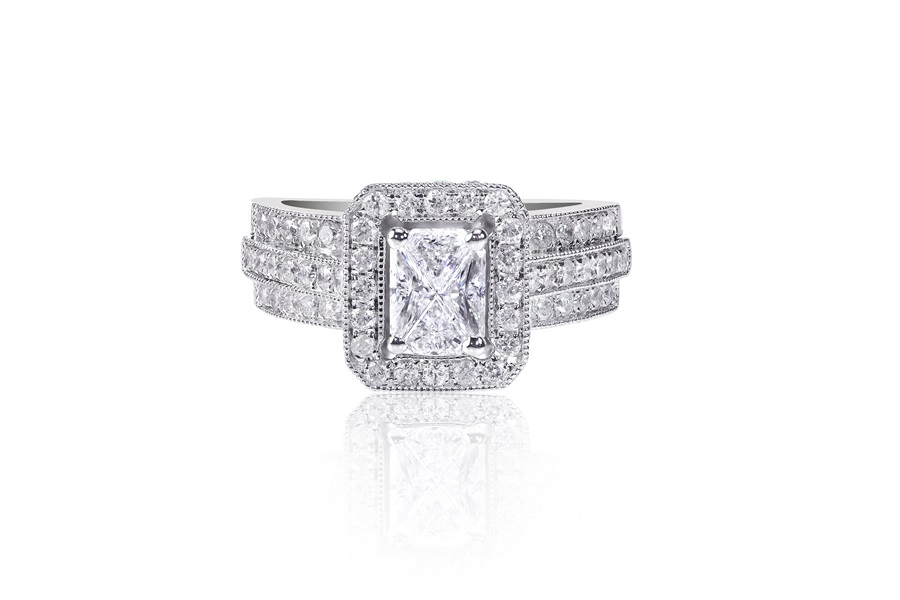
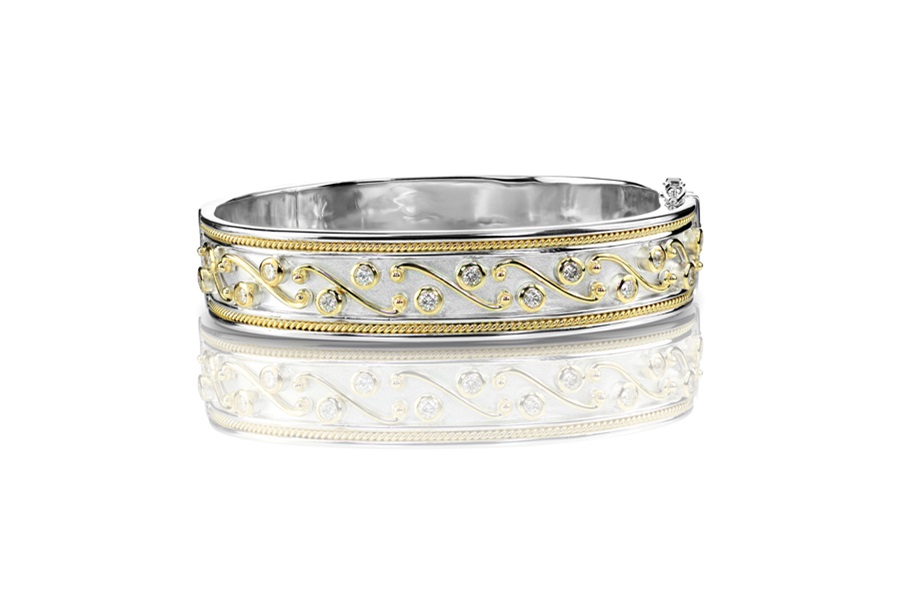
Diamonds have fascinated people for centuries — not only for their beauty, but for their rarity, durability, and symbolism. Today, diamond buyers have more choices than ever, including natural diamonds and lab-grown diamonds.
At Forever Diamond Boston, we believe that understanding imortant details about diamonds helps you make confident, informed decisions — whether you’re shopping for an engagement ring, a meaningful gift, or a timeless piece of jewelry.
We want to share a few essential facts about diamonds that provide a clear overview of diamond basics to help you make well-informed decisions.
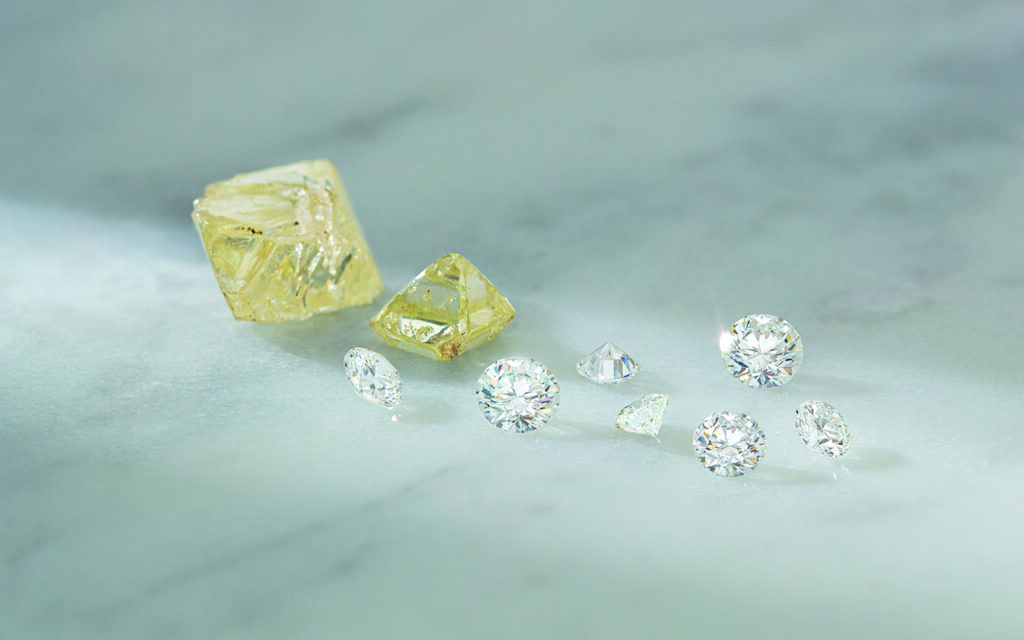
Natural diamonds are formed deep within the earth under extreme heat and pressure over billions of years. Each stone is truly unique and carries a sense of rarity, history, and tradition.
Lab-grown diamonds are created in controlled laboratory environments using advanced technology that replicates the natural diamond-growing process. They are real diamonds with the same physical, chemical, and optical properties as natural diamonds.
Diamond clarity refers to natural characteristics, known as inclusions, formed within the diamond. Many diamonds are considered “eye-clean,” meaning inclusions are not visible without magnification.
Most diamond inclusions are microscopic and invisible to the naked eye.
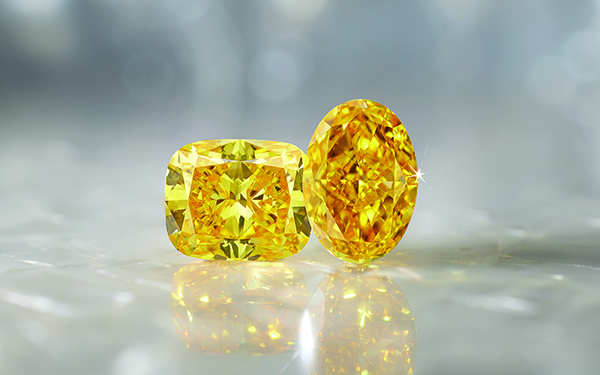
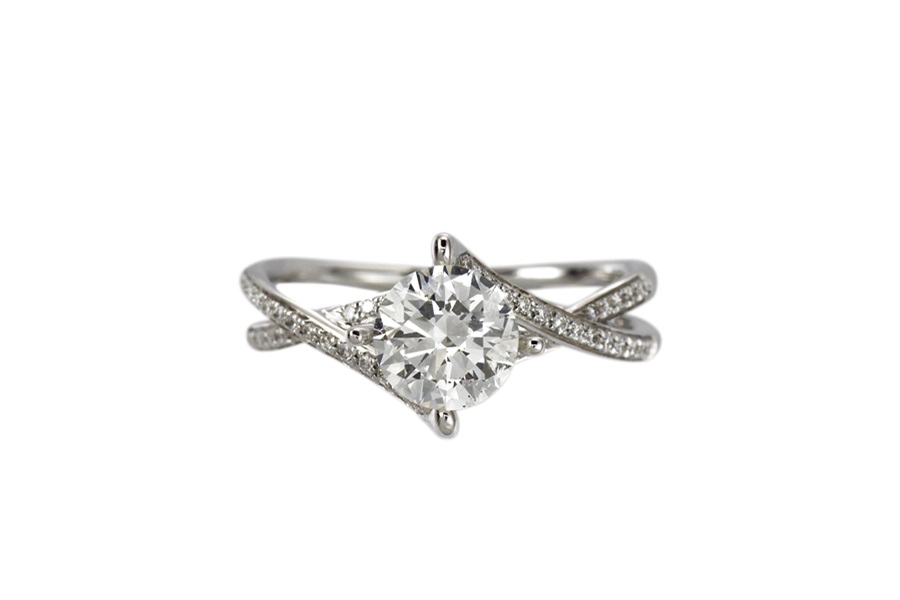
Near-colorless diamonds often appear white once set, especially in jewelry.
Carat weight does not always equal visual size — two diamonds of the same weight can look different.
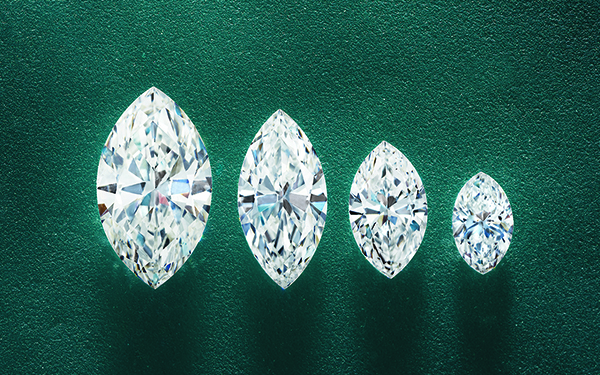
Diamond shape affects how large a diamond appears, even at the same carat weight.
Certified diamonds provide transparency and confidence, helping buyers compare quality accurately.
Diamonds are graded individually, meaning no two diamonds are exactly alike.
Seeing diamonds in person makes a difference, especially when comparing cut, color, and clarity.
Choosing the Right Diamond
There is no single “best” diamond — only the diamond that best fits your priorities, preferences, and budget. Some buyers value tradition and rarity, while others prioritize size, flexibility, or modern options.
Diamonds are best understood when seen side by side. We invite you to visit our Boston showroom or schedule a private appointment so we can prepare a curated selection based on your interests.