FOREVER Diamond Boston

Diamond Carat Weight

Understanding Size Beyond the Number

Diamond carat weight is often the first thing people notice — but it’s also one of the most misunderstood aspects of diamond quality.

Carat weight measures how much a diamond weighs, not necessarily how large it looks. Understanding this difference helps you choose a diamond that looks impressive on the hand while staying within your budget.

What Is Diamond Carat Weight?

Carat weight is a unit of measurement used to describe a diamond’s mass. One carat equals 200 milligrams.

Diamonds can also be described in points, where:

  • 1.00 carat = 100 points

  • 0.75 carat = 75 points

  • 0.50 carat = 50 points

While carat weight affects price, it does not tell the full story about how a diamond will appear once set.

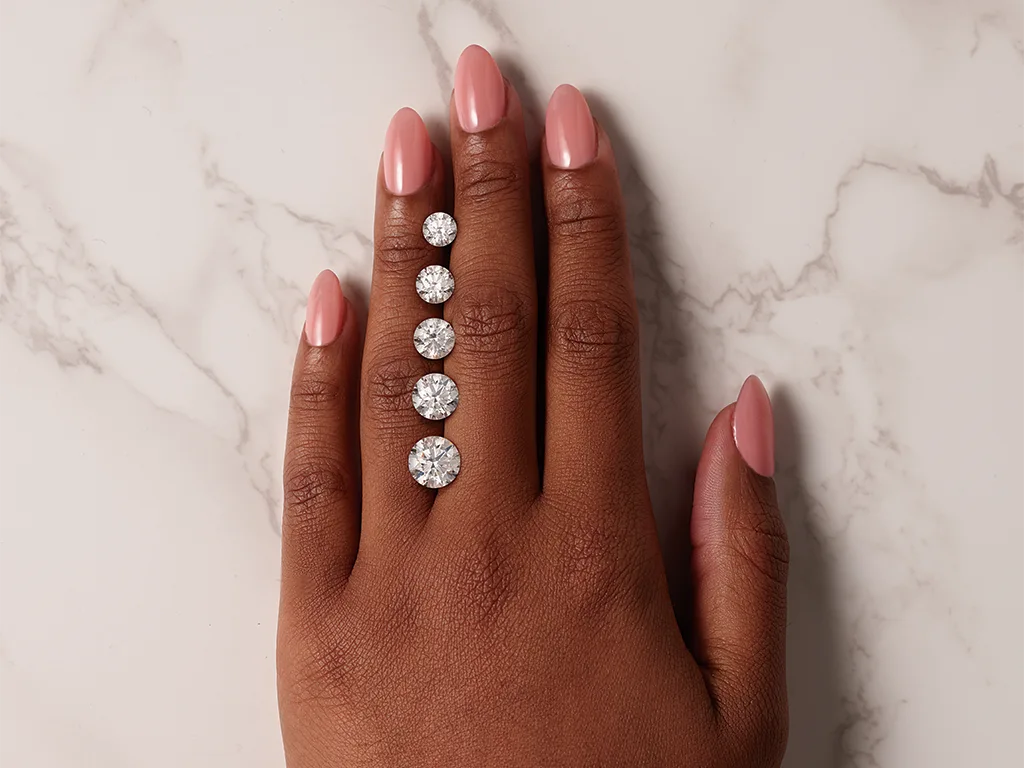
Carat Weight vs Visual Size

Why Two Diamonds of the Same Carat Weight Can Look Different

Two diamonds with the same carat weight can look noticeably different in size depending on:

  • Cut quality

  • Diamond shape

  • Depth and proportions

  • Setting style

A well-cut diamond with balanced proportions often appears larger than a heavier diamond that carries excess weight in depth rather than spread.

How To Choose The Right Size Diamond

Carat weight alone doesn’t determine how big a diamond looks. We help clients choose diamonds that maximize visual impact, not just numbers.

How Carat Weight Affects Price

Carat weight has a significant impact on diamond price, especially at common milestone weights such as 0.50, 1.00, and 2.00 carats.

Price often increases sharply at these thresholds — even when the visual difference between sizes is subtle.

Many buyers choose carat weights just below milestone sizes to achieve better value without sacrificing appearance.

Carat Weight and Diamond Shape

Diamond shape plays a major role in how large a diamond appears. Some shapes naturally face up larger than others at the same carat weight.

For example:

  • Oval, marquise, and pear shapes often appear larger

  • Round diamonds prioritize brilliance over spread

  • Step-cut shapes emphasize elegance over size

Choosing the right shape can make a meaningful difference in visual presence.
Want a Diamond That Looks Larger Without Increasing Carat Weight?

Shape and cut can dramatically affect how big a diamond appears.

Carat Weight and the 4 Cs

Carat weight is just one part of diamond quality alongside diamond cut, color, and clarity. A slightly smaller diamond with excellent cut can appear more beautiful than a larger diamond with weaker proportions.

Understanding how carat weight works alongside the 4 Cs of the diamond helps you make a confident, informed choice.

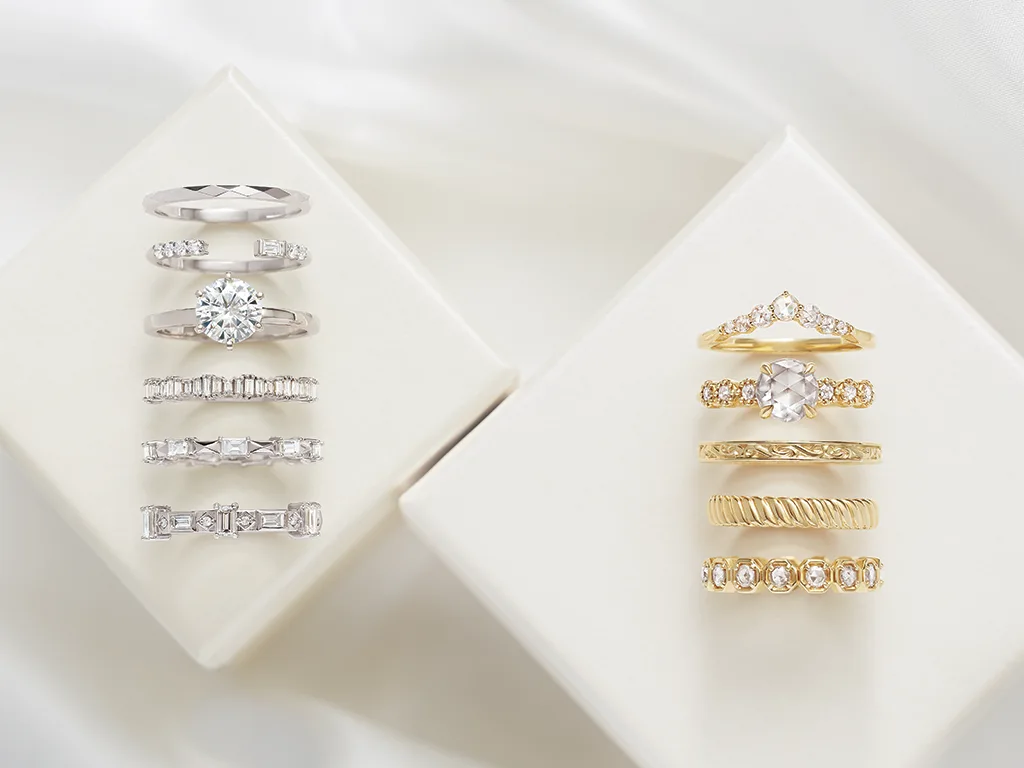
Carat Weight for Engagement Rings

When choosing an engagement ring, carat weight should be considered alongside:

A diamond that looks beautiful and proportional on the hand often feels more satisfying than one chosen for size alone.

Choosing an Engagement Ring Is About the Whole Picture

Diamond color, cut, clarity, and setting all work together. We’ll help you find the right balance for your ring and your budget.

Carat Weight in Natural vs Lab-Grown Diamonds

Both natural diamonds and lab-grown diamonds are measured using the same carat weight standards. However, buyers may approach carat weight differently depending on the type of diamond they choose.

Diamond Carat Weight FAQs

Carat weight is important, but it is only one part of overall diamond quality. Cut quality, color, and clarity all influence how beautiful a diamond looks once it is worn.

A slightly smaller diamond with excellent cut can often appear more impressive than a larger diamond with weaker proportions.

Not always. Diamonds with the same carat weight can look larger or smaller depending on how they are cut and shaped. A well-cut diamond with good proportions often appears larger than a heavier diamond that carries excess weight in depth.

A 1 carat diamond weighs 200 milligrams, or 0.2 grams.

Carat is a unit of weight, not size. Two diamonds that both weigh 1 carat can look different in size depending on cut quality, shape, and proportions.

Diamond prices often increase sharply at common milestone weights such as 0.50, 1.00, and 2.00 carats. These thresholds are driven by demand, not just visual size.

Many buyers choose diamonds just below these milestones to achieve better value with minimal visual difference.

Experience Diamond Size in Person

Photos and measurements can only tell you so much. Seeing diamonds on the hand and comparing sizes side by side makes the difference immediately clear.
Popular Products

Trending Now