FOREVER Diamond Boston

Diamond Color

What It Means and How to Choose the Right Color Diamond

Diamond color is one of the 4 Cs of diamonds, the key factors that determine overall diamond quality. While color grades are important, the way a diamond actually looks once it is set is what matters most.

Understanding diamond color helps you make confident decisions — especially when choosing an engagement ring — without paying for differences that may not be visible in everyday wear.

What Is Diamond Color?

Diamond color measures the presence of yellow or brown tones in a diamond. Most diamonds are graded on a scale that ranges from completely colorless to visibly warm.

Importantly, diamond color grading evaluates diamonds face-down under controlled conditions — not how they appear once mounted in jewelry.

This means that many diamonds with lower color grades still appear beautifully white when worn.

The Diamond Color Scale Explained

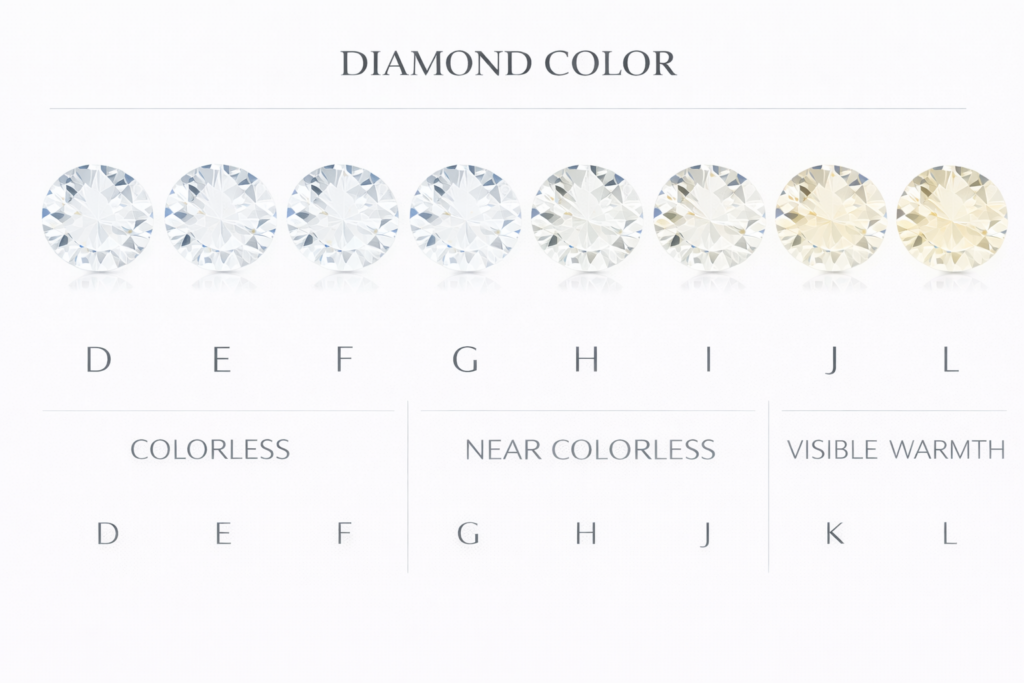
Diamond color is graded using an alphabetical scale:

  • D–F: Colorless
    Exceptionally white and rare

  • G–J: Near Colorless
    Slight warmth detectable only in comparison

  • K and below: Visible Color
    Warm tones noticeable to the naked eye

Most buyers are surprised to learn that near-colorless diamonds often look identical to colorless diamonds once set, especially in white metal settings.

How To Choose The Right Diamond

Small differences in diamond color can have a big impact on price — without always changing how the diamond looks once set. We help you choose wisely.

How Diamond Color Affects Appearance

Diamond color impacts appearance differently depending on several factors:

  • Cut quality – better cut can mask color

  • Diamond shape – some shapes show color more easily

  • Setting style – metal choice influences perceived color

  • Carat size – larger diamonds may show more warmth

This is why diamond color should always be considered in context, not in isolation.

Choosing Diamond Color

Finding the Right Balance for You

Choosing diamond color is less about finding the “highest” grade and more about finding the right balance of appearance, setting, and budget.

Key factors to consider when choosing color include:

  • Diamond shape

  • Metal type (white, yellow, or rose gold)

  • Carat size

  • Personal sensitivity to color

Many buyers discover that diamonds in the near-colorless range appear beautifully white once set, especially in engagement rings.

Rather than focusing on color in isolation, we help clients choose a diamond that looks exceptional as a finished piece of jewelry.
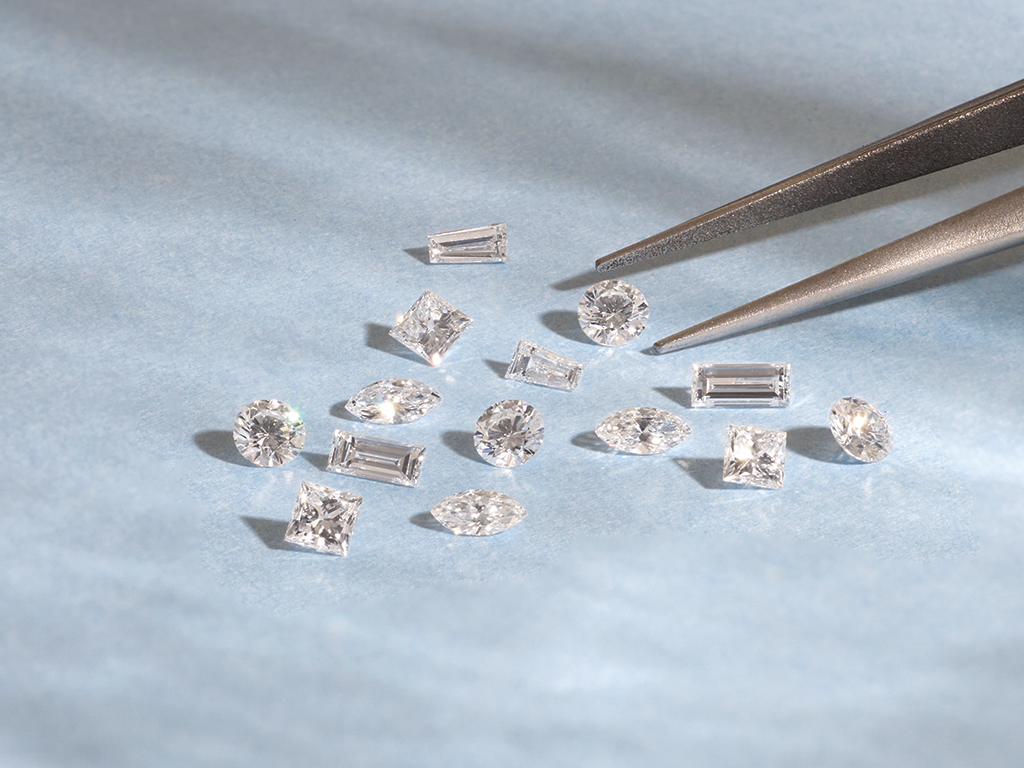
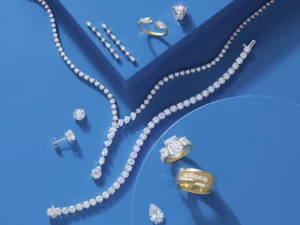
Not Sure Which Diamond Color Is Right for You?

Seeing diamond color side by side makes subtle differences much easier to understand.

Diamond Color vs Clarity

Which Matters More?

Diamond color and clarity affect different aspects of appearance, and buyers often wonder which deserves more priority.

  • Color affects the overall tone of the diamond

  • Clarity affects the presence of internal characteristics

In most cases, color is noticed before clarity, especially in larger diamonds or step-cut shapes. However, many clarity characteristics are microscopic and invisible once the diamond is worn.

For this reason, many buyers choose to:

  • Optimize clarity at an eye-clean level

  • Allocate more budget toward cut and color

Our specialists help clients decide where clarity matters — and where it doesn’t — based on real-world viewing, not just grading reports.

Diamond Color vs Diamond Cut

Why Cut Often Matters More

While diamond color affects tone, cut quality has a greater influence on sparkle and brightness. A well-cut diamond can appear whiter and more lively than a poorly cut diamond with a higher color grade.

This is why we often recommend prioritizing cut quality first, then selecting the best color within your remaining budget.

How Diamond Color Affects Price

Diamond color has a direct impact on price, with higher color grades generally commanding a premium.

However, the price difference between adjacent color grades can be significant, even when the visual difference is minimal.

For example:

  • The price jump from G to F may be noticeable

  • The visual difference may be subtle or invisible once set

This is why many clients choose near-colorless diamonds that offer excellent appearance without paying for distinctions that are difficult to see.

Understanding price impact allows you to allocate your budget where it makes the most visual difference.
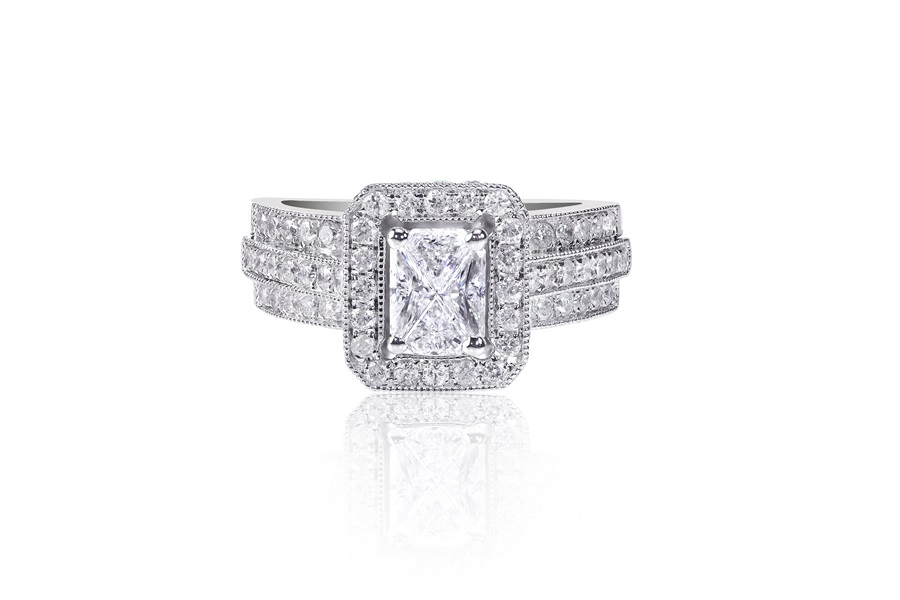
Diamond Color for Engagement Rings

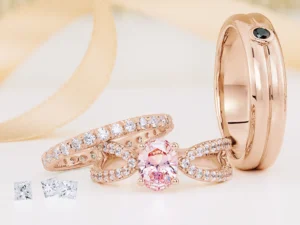
When choosing an engagement ring, diamond color is about balance. Many clients prefer a diamond that appears white while allowing room in the budget for excellent cut quality or a larger carat size.

For engagement rings, we often help clients find the “sweet spot” — a color range that offers strong visual beauty without unnecessary premium.

Choosing an Engagement Ring Is About the Whole Picture

Diamond color, cut, clarity, and setting all work together. We’ll help you find the right balance for your ring and your budget.

Fancy Color Diamonds

A Different Category Entirely

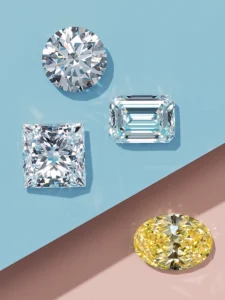
Fancy color diamonds — such as yellow, pink, blue, and green — are graded differently from traditional white diamonds.

Instead of grading how colorless a diamond is, fancy color diamonds are evaluated based on:

  • Hue

  • Tone

  • Saturation

Fancy color diamonds are intentionally chosen for their color, not in spite of it. They are rarer and often priced differently than white diamonds, depending on color intensity and availability.

While fancy colors are outside the traditional D–Z color scale, they represent a unique and expressive choice for certain styles and designs.

If you’re interested in fancy color diamonds, we recommend viewing them in person to fully appreciate their depth and character.
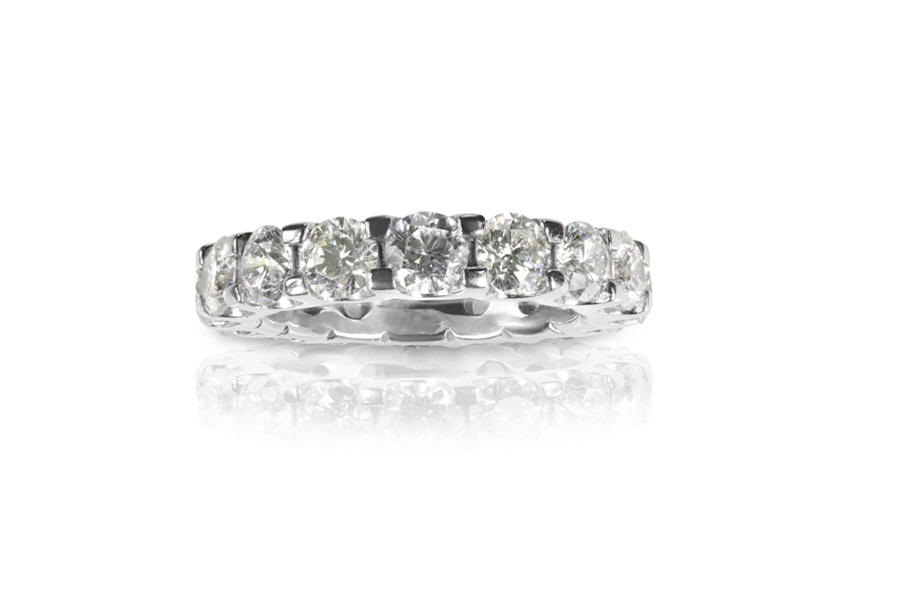
Diamond Color in Natural vs Lab-Grown Diamonds

Both natural and lab-grown diamonds are graded using the same color scale. However, buyers may prioritize color differently depending on their goals.

  • Natural diamond buyers often focus on overall balance

  • Lab-grown diamond buyers may choose higher color grades due to flexibility in pricing

Diamond Color and Certification

Diamond color grades are documented in independent grading reports issued by respected laboratories such as:

  • GIA (commonly for natural diamonds)

  • IGI (commonly for lab-grown diamonds)

Certification ensures transparency and allows accurate comparison between diamonds.

Diamond Color FAQs

There is no single “best” diamond color. Many engagement rings feature near-colorless diamonds that appear white once set, offering an excellent balance of beauty and value.

In many cases, no. Setting style, metal choice, and cut quality all influence how color appears once worn.

Diamond color affects tone, while sparkle is primarily influenced by diamond cut quality. A well-cut diamond will sparkle beautifully regardless of slight color differences.

Not necessarily. Higher grades cost more, but the visual difference may be subtle or invisible. Choosing the right color is about appearance, not just the grade.

Yes. Step-cut diamonds and larger stones may show color more readily than round brilliant cuts.


Yes. Warmer metal tones can mask color, allowing for more flexibility in color choice.


Experience Diamond Color in Person

Diamond color is best evaluated by comparing stones side by side under real lighting conditions. We invite you to visit our Boston showroom or schedule a private appointment to explore your options with expert guidance.
Popular Products

Trending Now